Home › Gravel-to-Asphalt Conversions
Tired of dust, ruts, and mud from your gravel drive Recognized website formatting requires questions to end with a question mark. However the original question might be intending to convey something rather than posing a direct question, making it slightly ambiguous as to whether a question mark is appropriate in that specific case.eway Our gravel to asphalt driveway conversions in Spokane, WA transform rough approaches into smooth, easy to maintain pavements. We regrade, compact the base, add needed rock, and install quality asphalt for a clean, solid surface. Enjoy better traction, less tracking into the house, and improved curb appeal. Request a free estimate to convert your gravel or dirt driveway to asphalt.
Precision Asphalt Spokane provides professional gravel to asphalt driveway throughout Spokane, WA, Washington and the surrounding area. Our licensed, insured crew delivers safe, clean, on-time work with a free estimate before anything begins. Call or request your free quote.
Turn Your Gravel Driveway Into Smooth Asphalt
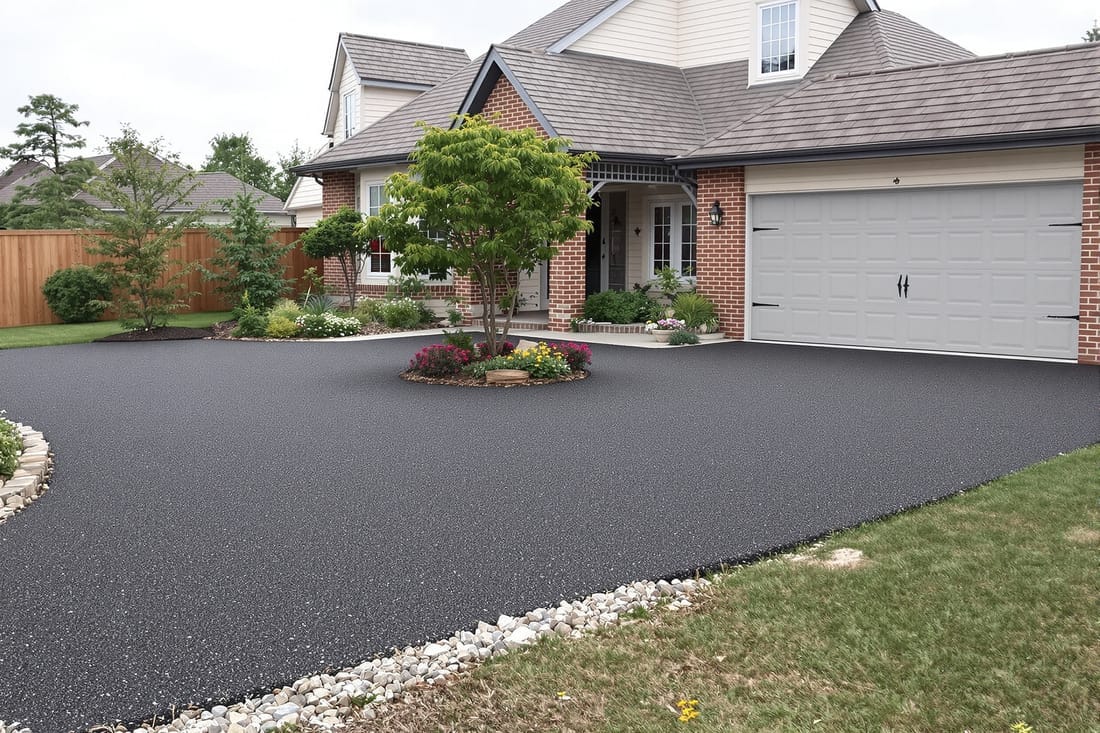
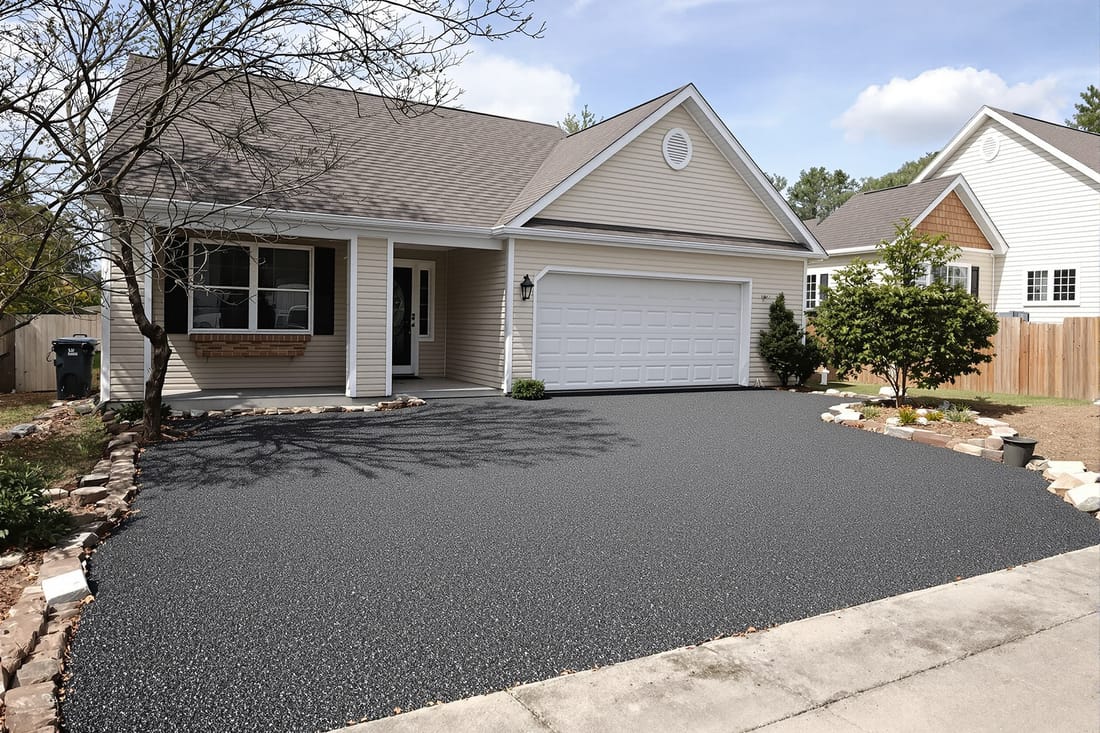
If you are tired of dust, ruts, and mud, converting a gravel to asphalt driveway is one of the most noticeable upgrades you can make to your Spokane property. Precision Asphalt Spokane focuses on turning existing gravel driveways into durable asphalt surfaces that handle local weather and regular traffic.
A proper gravel-to-asphalt conversion is not just spreading blacktop over rock. The long-term success of your new driveway depends on drainage, base depth, compaction, and the quality of the asphalt mix. We look at how your current gravel behaves in spring thaw, whether water sits in low spots after rain, and how often you have to regrade. All of this tells us what has to be fixed before any asphalt goes down.
Many Spokane driveways sit on native soils that shift when they freeze and thaw. If that movement is not addressed during the conversion, cracks and dips will show up in the asphalt within a couple of seasons. Precision Asphalt Spokane evaluates soil conditions, slope, and how you use the driveway, then builds a plan that fits your site instead of using a one-size approach.
Our goal with every gravel to asphalt driveway project is a surface that looks clean and professional, drains correctly, and holds up for years with limited maintenance. We explain the options and costs upfront so you can decide what level of upgrade makes sense for your property and budget.
How We Convert Gravel Driveways to Asphalt in Spokane
A successful gravel-to-asphalt conversion follows a sequence of steps that deal with the problems gravel tends to hide.
1. Site evaluation and measurements: Precision Asphalt Spokane starts by walking the driveway with you. We look for soft spots, standing water, places where gravel pushes aside under vehicle weight, and any tight turns or slopes. We measure length and width to calculate materials and give a clear estimate.
2. Drainage and grade corrections: Many Spokane gravel driveways are relatively flat, which allows water to sit. Before paving, we regrade the surface so water sheds to the sides or to a planned drainage area. This can involve cutting high spots, filling low sections, and shaping a crown in the center of the driveway by a couple of inches for typical residential widths.
3. Strengthening the base: If your existing gravel layer is thin or mixed with a lot of dirt, it will not support asphalt. We often add and compact crushed rock (typically a 5/8 minus or 1 1/4 minus base, depending on traffic). Soft or pumping areas are dug out and rebuilt with new base rock. In heavier-use driveways, such as ones with delivery trucks or trailers, we may recommend a thicker base layer to prevent future deformation.
4. Compaction: Once the base is graded, we compact it using heavy rollers or plate compactors in tight areas. This step is critical. A loose base will shift under asphalt and create dips or cracks. We do not pave until the base is firm enough that the roller leaves little to no imprint.
5. Installing the asphalt: For most residential gravel to asphalt driveway projects, we use a hot mix asphalt laid in a single 2.5 to 3 inch compacted lift. Longer or heavier-use drives may get multiple lifts or greater thickness. We place the asphalt while it is hot and workable, shape it to the final grade, then compact it with a steel drum roller to lock the mix together.
6. Edges and transitions: We taper the edges of the asphalt into the surrounding ground or landscape rock so there is no abrupt drop-off. Where the new driveway meets an existing road, garage slab, or sidewalk, we form a smooth transition so water does not pool at the joint.
Following these steps results in a driveway that does not just look good on day one, but stays functional through Spokane's wet winters and hot summers.
Design Options, Thickness, and Material Choices
Every gravel to asphalt driveway does not have to look the same. Precision Asphalt Spokane walks you through design and material decisions that affect appearance, performance, and cost.
Asphalt thickness is one of the most important choices. For a typical residential driveway with cars and light pickups, a compacted thickness of about 3 inches is usually sufficient when placed over a solid base. If you routinely park heavy work trucks, RVs, or equipment trailers, we may suggest increasing that thickness or using a stronger base material so the surface does not rut at tire paths.
Driveway width is another factor. Narrow gravel lanes can be widened before paving to make passing easier or to create better access to parking areas. Extra width near the garage or shop entrance makes maneuvering simpler and reduces edge breakdown from drivers consistently running off the side.
Edge support can also be upgraded. While many rural Spokane properties are fine with a simple tapered edge into soil or landscape rock, some homeowners choose concrete or block edging to keep the asphalt contained and protect landscaping. We explain where edging is useful and where it would just add cost without much benefit.
There are also choices in the asphalt mix and finish. Standard hot mix asphalt with a dense aggregate gradation is the usual option for residential driveways. On steeper slopes, we may recommend a mix that gives slightly more surface texture for better traction during wet and icy conditions. Finishing passes with the roller can adjust how smooth or textured the surface feels underfoot and under tires.
If you are concerned about appearance, we can discuss the layout of parking pads, turnarounds, and walk-up areas, and whether it makes sense to add a separate pull-off or small parking spur while the conversion is being done. It is often cheaper to do these changes at the same time as the main driveway rather than later as a separate project.
What Drives Cost and Common Issues to Plan For
The cost of turning a gravel to asphalt driveway into a finished paved surface in Spokane varies based on several real factors, not on a flat price per foot. Precision Asphalt Spokane explains these drivers clearly so you understand where your money goes.
Length, width, and asphalt thickness obviously affect material and labor costs. A long, narrow lane with light use may be less expensive than a short but wide driveway that includes a large parking area and thicker asphalt. If your current gravel base is in good shape and already has the right depth and compaction, you save money because we do not have to rebuild it.
Base repair is often the biggest unknown. If we find pockets of clay or organic material under the existing gravel, those areas must be dug out and replaced with compacted crushed rock. Spokane's freeze-thaw cycles will quickly expose any soft or poorly supported spots, so skipping this step leads to costly repairs later. We point these areas out during the estimate and, if needed, again during construction so you understand the changes.
Drainage corrections can also add to the project cost. Installing a ditch on one side of the driveway, adding culverts under the drive, or raising low sections is sometimes required, especially on rural properties or sloped sites. We aim to solve water problems once so your new asphalt is not sitting in puddles every spring.
A common issue in conversions is the temptation to pave directly over thin or loose gravel to save money. This often results in visible rutting within a year or two. Precision Asphalt Spokane will tell you when the base is not ready, even if it means a higher upfront cost. Another frequent challenge is access: very tight or steep driveways can take more time to work on and may limit the equipment we use, which can influence price.
We provide detailed estimates that separate base work, paving, and any drainage or widening options. That way you can prioritize what matters most now and what could wait for a later phase if needed.
Timing, Local Conditions, and What to Expect From Us
In Spokane, the timing of a gravel-to-asphalt conversion has a big impact on quality. The best paving window is usually late spring through early fall, roughly May through September, when soil moisture is moderate and daytime temperatures allow asphalt to be placed and compacted correctly. Early spring often leaves gravel bases soft from thawing ground, and late fall cold can shorten the working time of the asphalt mix.
Before we schedule your project, Precision Asphalt Spokane checks the forecast and current ground conditions. We avoid paving over saturated bases or during rain that could cool the asphalt too quickly. If you have specific deadlines, such as an upcoming event or home sale, we plan the work so the driveway has time to cure before heavy use.
During the project, you can expect some disruption to driveway access. Typically, once paving is complete, light vehicle traffic is possible within 24 hours, though we may recommend waiting up to 48 hours in cooler weather. We advise you on how to avoid scuffing the surface, such as not turning steering wheels while parked and keeping heavy stationary loads, like dumpsters or storage containers, off the new asphalt for a short period.
Spokane winters are hard on any pavement, so we also walk you through basic care: keeping the driveway clear of standing water, using the right type of deicer when needed, and avoiding metal blade plows that can gouge the surface. We can discuss future maintenance, such as sealcoating schedules and crack filling, so you know how to protect your investment over the long term.
Working with Precision Asphalt Spokane means you get a local team familiar with our soil types, slopes, and seasonal challenges. From the first site visit to the final roller pass, we focus on building a gravel to asphalt driveway that fits your property, performs well in our climate, and stays solid for years.