Home › Commercial Gravel-to-Asphalt Conversions
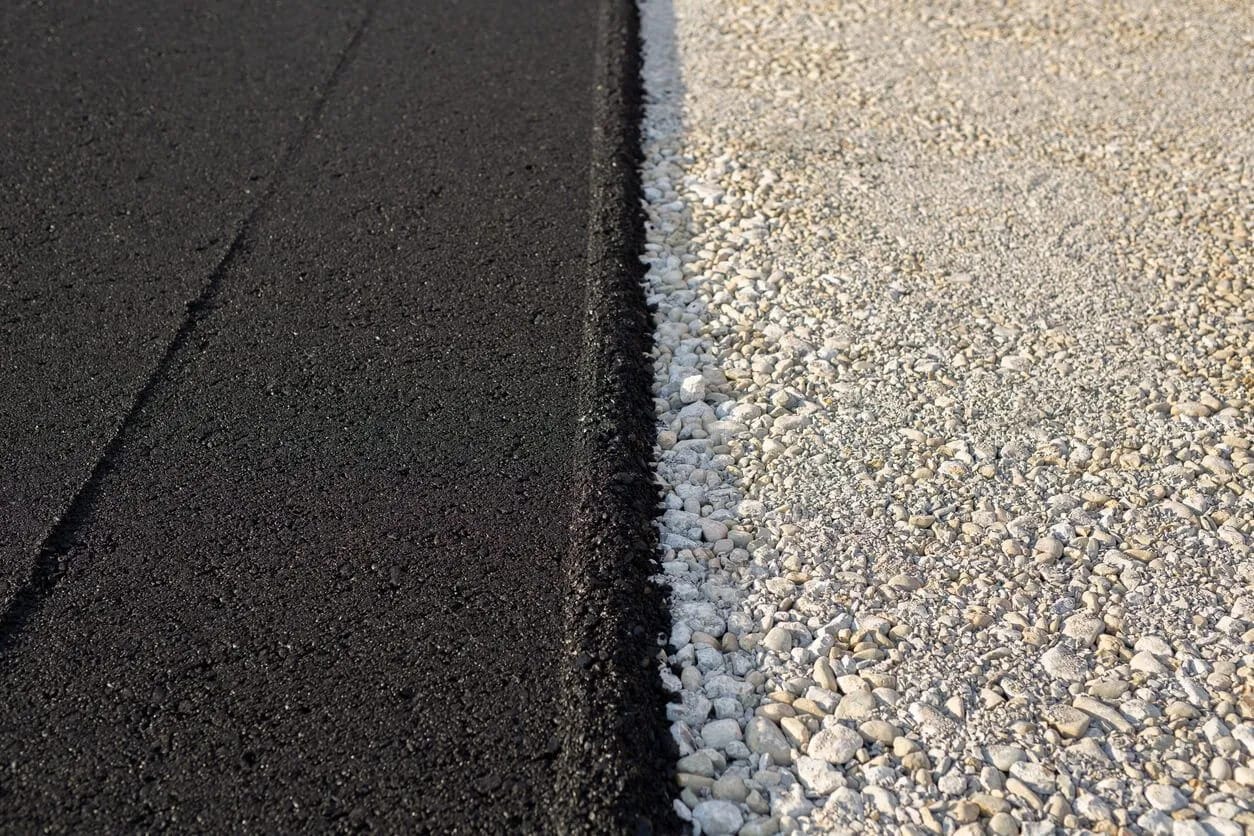
Upgrade rough gravel surfaces with commercial gravel to asphalt conversions in Spokane, WA. We reshape and stabilize your base, then install quality asphalt for clean, dust free parking and driving areas. Businesses benefit from improved appearance, accessibility, and easier snow removal compared to loose gravel. Request an on site assessment to convert your gravel lot or access road to asphalt.
Precision Asphalt Spokane provides professional commercial gravel to asphalt throughout Spokane, WA, Washington and the surrounding area. Our licensed, insured crew delivers safe, clean, on-time work with a free estimate before anything begins. Call or request your free quote.
Turn Your Gravel Lot Into a Reliable Asphalt Surface
If you manage a Spokane business that still has a gravel parking lot or drive, you already know the headaches: mud in spring, dust in summer, ruts after every thaw, and frustrated customers who do not know where to park. Precision Asphalt Spokane specializes in commercial gravel to asphalt conversions that solve these issues and bring your property up to modern standards.
We focus on practical, long term solutions. That means looking at truck traffic patterns, snow plow routes, delivery areas, and ADA access, not just putting blacktop over rock. Our crews live and work in Spokane, so we understand freeze thaw cycles, sand and deicer use, and how steep grades behave once they are paved.
Every project starts with a site visit. We walk the lot with you, talk about your peak traffic times, and identify ponding, soft spots, and problem entrances. From there, we design a commercial asphalt section that fits the way your site is actually used, whether you run a small office building north of the river or a heavy truck yard near the industrial areas.
How Commercial Gravel-to-Asphalt Conversions Work
A proper conversion is more than just laying asphalt over existing gravel. First, Precision Asphalt Spokane evaluates your existing base. In some cases your packed gravel provides a solid foundation. In others, particularly where mud comes up during spring thaw, we need to excavate weak areas and rebuild the base.
We shape and grade the lot to create controlled water flow away from buildings and toward catch basins or swales. In Spokane, many older gravel lots have no defined drainage, which is why you see puddles that turn into ice sheets in winter. Addressing drainage at this stage is critical, because asphalt will telegraph any underlying problems.
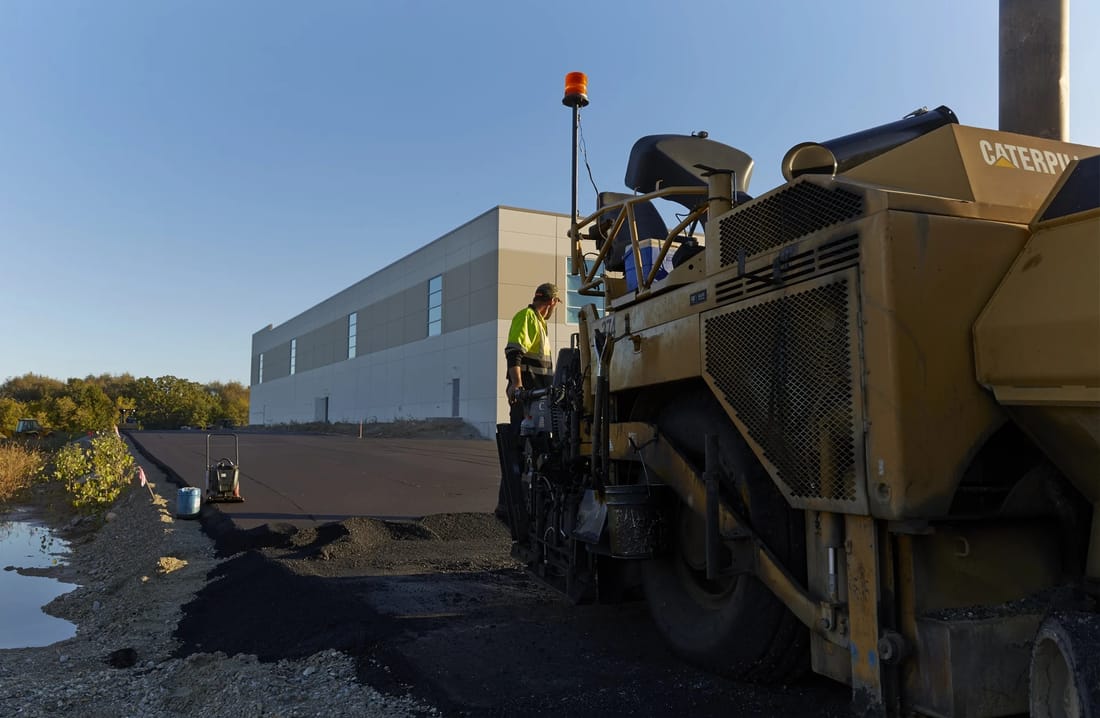
Once the subgrade is compacted, we typically install a crushed rock base course, compacted in lifts with a vibratory roller. For light commercial parking, this might be 4 to 6 inches. For heavier truck traffic or dumpster pads, it can increase to 8 inches or more. After the base is proof rolled and passes our density checks, we place and compact hot mix asphalt in one or two lifts, depending on the design.
Local Climate, Timing, and Seasonal Planning in Spokane
Spokane’s four season climate has a major impact on when and how we convert gravel to asphalt. We generally recommend scheduling commercial conversions between late April and October, when daytime temperatures support proper compaction and asphalt cooling rates. Paving on cold subgrade or during freeze risk can reduce the life of your lot.
Our team plans around typical Inland Northwest weather patterns. In early spring, we often need to wait for saturated gravel bases to dry out. If we paved over soft, thawing material, you would see rutting within a year. For fall projects, we watch temperatures and shorten work phases so we can get full compaction before the mix cools.
Snow and ice management is another Spokane specific consideration. During design, we think about where plowed snow will be stored, how meltwater will drain, and how sand and deicer might collect. Proper slopes, apron design at entrances, and reinforced asphalt at high stress corners help keep your new surface from breaking up after a few winters.
Design Options for Commercial Asphalt Lots
A conversion project is a good time to rethink how your lot works for customers and delivery traffic. Precision Asphalt Spokane can adjust layouts, add drive aisles, and improve safety during the conversion. We can also coordinate with your striping plan so that the finished lot is easy to navigate.
Typical hot mix asphalt thickness for commercial parking in Spokane ranges from 2.5 to 3 inches for car focused lots, often installed as a single lift over a well built base. For mixed car and box truck traffic, we may specify 3 to 4 inches in two lifts (binder and surface) to handle turning and braking forces. Heavy truck or equipment yards often need thicker asphalt and upgraded base rock.
Surface options include standard dense graded asphalt for most areas, higher stability mixes for loading zones, and reinforced approaches at street connections where city traffic, braking, and snowplows impact the pavement. We also discuss options like concrete dumpster pads or loading dock aprons that tie cleanly into the asphalt so those high abuse areas last longer.
What Influences the Cost of Converting Gravel to Asphalt
Business owners often ask why two lots of similar size can have very different pricing. The answer usually comes down to base conditions, access, and traffic loads. If your existing gravel is deep, well graded, and stable under heavy truck loading, we may be able to reuse much of it and focus on fine grading and asphalt. If the gravel is thin over clay or shows deep ruts every spring, we will need to excavate and replace soft material.
Site access also affects cost. Tight alleys, overhead wires, or limited staging space can slow production and require different equipment. In older Spokane neighborhoods or hillsides, simply getting trucks in and out safely can change how we phase work.
Traffic type matters as well. A light duty office lot with mostly passenger vehicles can use a thinner asphalt section and still perform well. A lot that sees garbage trucks, fuel deliveries, or semi trailers needs thicker base and asphalt, which adds material and compaction time but prevents costly failures later. We provide clear, line item estimates so you can see where each dollar goes and make informed decisions.
Common Problems With Old Gravel Lots and How We Fix Them
Most Spokane gravel lots share a few familiar problems: washouts near entrances, dust clouds on dry days, standing water near low corners, and uneven surfaces that are hard on suspensions. During a commercial gravel to asphalt conversion, Precision Asphalt Spokane focuses on fixing the causes, not just covering the symptoms.
If your lot has recurring puddles, we identify whether the issue is lack of slope, blocked ditches, or simply low spots that have developed over time. Solutions might include cutting in new drainage swales, raising specific areas, or adding catch basins that tie into existing storm systems, subject to local regulations.
For lots that receive frequent heavy deliveries, we pay particular attention to wheel paths, turning radii, and where drivers cut across corners. We may beef up the base and asphalt inside those paths, extend pavement where trucks tend to drive off the edge, or adjust the layout to reduce tight turns. This type of targeted reinforcement is a cost effective way to prevent the edge cracking and alligator cracking that often start at truck routes.
We also address transitions, such as the change from your new asphalt to city streets or to loading dock slabs. Proper sawcutting, matching elevations, and installing strong asphalt aprons keep these joints from breaking apart and creating trip hazards.
What to Expect When You Work With Precision Asphalt Spokane
Before work begins, we walk you through a clear project plan that covers scheduling, access routes, and how we will keep your business operating during construction. For many Spokane commercial clients, we phase work so that half the lot remains usable, or we schedule major paving on weekends or off peak hours.
During construction, you can expect sawcutting and minor excavation where needed, fine grading of the existing gravel, installation and compaction of new base rock, then placement and compaction of hot mix asphalt. We coordinate with any signage or striping contractors, or we can handle striping directly so your lot is fully functional as soon as the asphalt cools.
After completion, we provide guidance on how soon to allow light traffic, when heavier trucks should return, and how to handle the first winter. We recommend a maintenance plan that fits your use, which can include crack sealing and periodic sealcoat at appropriate intervals. Our goal is to give Spokane businesses a smooth transition from gravel to asphalt, and a surface that performs well for many years with predictable upkeep.