Home › Asphalt Pathways, Sidewalks, and Trails
Connect your site with smooth, accessible routes using asphalt pathway paving in Spokane, WA. We build multi use trails, sidewalks, and pedestrian paths for parks, campuses, and communities. Our team handles grading, base installation, and asphalt placement to create durable, low maintenance walking and biking surfaces. Reach out to discuss your next pathway or trail project.
Precision Asphalt Spokane provides professional asphalt pathway paving throughout Spokane, WA, Washington and the surrounding area. Our licensed, insured crew delivers safe, clean, on-time work with a free estimate before anything begins. Call or request your free quote.
Asphalt Pathways, Sidewalks, and Trails in Spokane
Asphalt pathways, sidewalks, and trails need to stand up to Spokane’s freeze-thaw cycles, snow removal, and foot and bike traffic. Precision Asphalt Spokane focuses on the details that matter here locally, like base depth for our soil types, drainage to handle spring melt, and edge support so pathways do not crumble after a couple of winters.
Before we price or recommend anything, we walk the route with you. For a backyard path, HOA sidewalk, or park trail, we look at slope, soft spots in the soil, tree roots, sprinkler lines, and how water currently moves across the property. We also ask how the surface will actually be used. A narrow garden walkway has different needs than a shared-use trail that sees bikes, strollers, and maintenance carts.
We typically recommend asphalt for walkways and trails when you want a smooth, ADA-friendly surface that is easier on joints than concrete and simpler to repair in sections. For city or commercial sidewalks with higher point loads from carts or small vehicles, we might tighten up the base and use a slightly thicker surface course. The goal is to match the design to real-world use so you do not pay for overbuilt areas or fight premature cracking in high-stress zones.
How We Build Long-Lasting Asphalt Pathways and Trails
Quality on asphalt pathway paving starts under the surface. Precision Asphalt Spokane begins with excavation, usually 4 to 8 inches below finished grade for pedestrian use, deeper in soft or wet areas along the Spokane River, in Mead, or on the South Hill where pockets of poor soil are common. We remove organics like roots and topsoil because they settle and rot, then proof-roll the subgrade to find soft spots that need extra attention.
Next comes the base course, commonly 5/8 minus crushed rock compacted in lifts. For a standard residential walkway, 3 to 4 inches of compacted base is typical. For community trails, school campuses, or HOA greenbelt paths that may see maintenance vehicles, we may go to 6 inches or more. Proper compaction with a plate tamper or roller is critical. If the rock moves underfoot when we walk it, we keep working it until it is tight.
We set slope for drainage at roughly 1.5 to 2 percent so water leaves the surface but it still feels level to users. In low spots or along hillsides, we may add shallow swales or underdrains so water does not sit under the path and cause frost heave in winter. On hillside trails in areas like Five Mile or Eagle Ridge, we often bench the trail into the slope to lock it in and use small retaining edges where needed.
For most pathways, sidewalks, and trails, we install 2 to 3 inches of hot-mix asphalt after compaction, usually in a single lift for lighter-use paths and in two lifts on wider or more heavily used routes. We use tighter-graded surface mixes for smoothness and better resistance to raveling. Joints are staggered and compacted while the mix is still hot so you do not end up with weak seams that crack early.
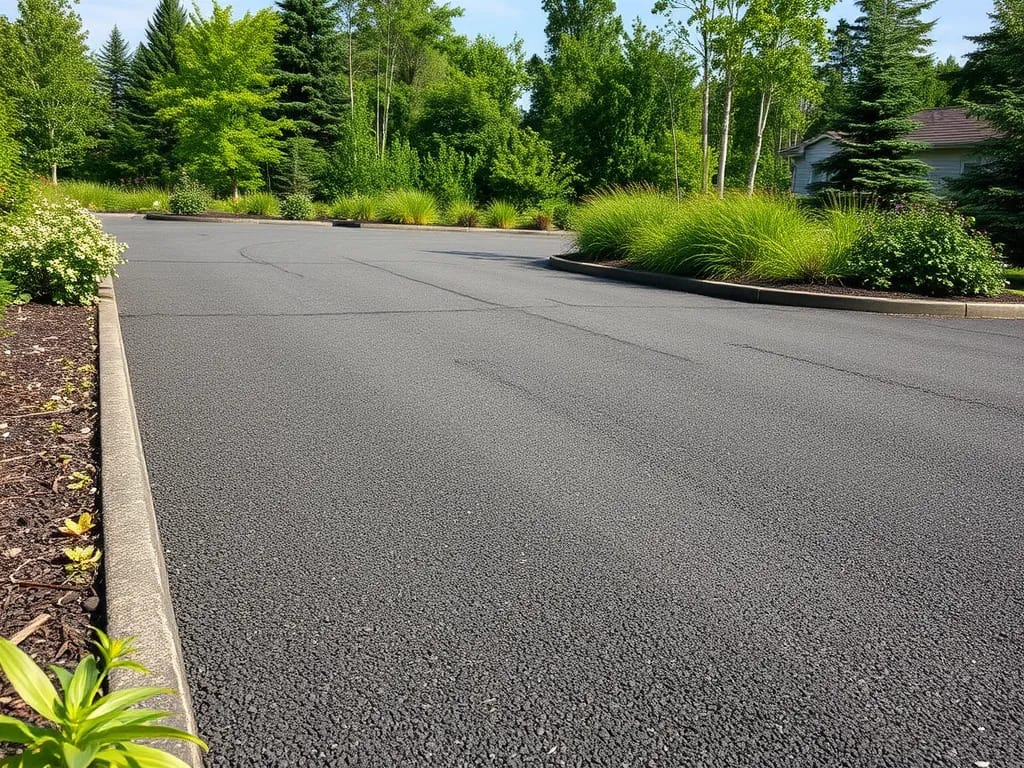
Edges matter on paths and trails. Where the path borders lawn or landscape, we often recommend a compacted gravel shoulder or small concrete, metal, or plastic edging to keep the asphalt from breaking off under lawnmower and foot traffic. For HOA or commercial properties, we may specify saw-cut joints where new pathways tie into existing sidewalks, patios, or parking lots for a clean transition and less risk of trip hazards.
Design Options, Accessibility, and Local Codes
Practical pathway and sidewalk design in Spokane starts with width, route, and who will use the surface. Precision Asphalt Spokane helps you choose sizes that work: 3 to 4 feet wide for simple garden paths, 5 feet or more for comfortable two-way pedestrian traffic, and 8 to 12 feet for shared-use trails that carry bikes, strollers, or utility carts. Wider surfaces cost more but they also feel safer and function better in community spaces.
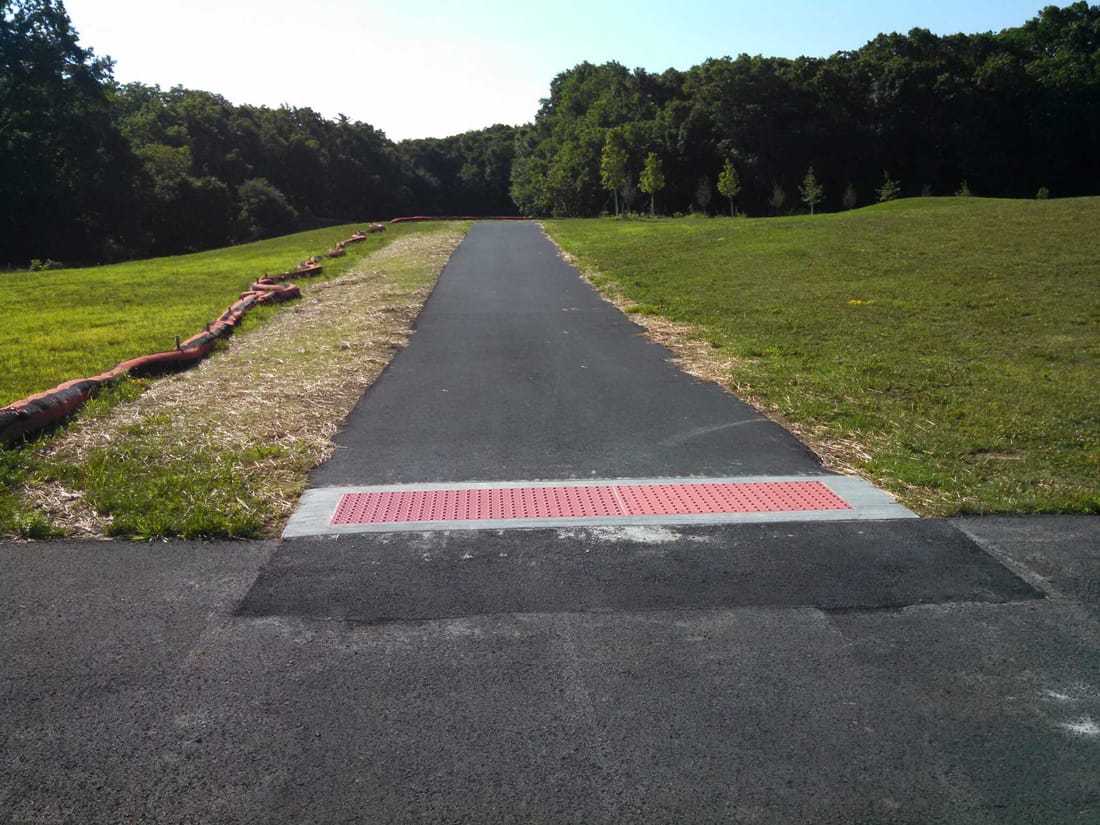
We design with accessibility in mind. If you want an ADA-friendly walkway or trail connection, we look at maximum slopes, cross slopes, and transitions at driveways and roadway crossings. We can integrate tactile warning strips at street crossings and ensure that path-to-sidewalk transitions avoid abrupt lips that cause trip hazards or problems for mobility devices.
You can also choose surface look and edge style. Standard black asphalt is the most economical, but we can use different aggregate sizes for a slightly finer or more textured finish. In some cases, we install a top layer with a tighter mix that is better for rollerblades, skateboards, and wheelchairs. For trails in natural settings, we can soften the look with gravel shoulders, vegetated buffers, or curves that follow existing terrain.
In Spokane and surrounding jurisdictions, there are often requirements for sidewalk widths, clear zones, and sight distances near driveways and intersections. If you are tying into a public right-of-way, we coordinate with local codes and standards so your new walkway or trail section does not run into problems at inspection. For schools, churches, and commercial sites, we look at fire lane and emergency access needs so the layout does not conflict with required routes.
Lighting, crossings, and small details matter on shared-use trails. We can prep in conduit crossings before paving so an electrician can easily add lighting later. At street or driveway crossings, we often use thicker asphalt sections or reinforce the base since these areas see vehicle loading. Markings, bollards, and signage are planned with you so the paved surface supports safe use, not just looks finished.
What Drives Cost and Common Problems We Solve
The cost of asphalt pathway paving in Spokane depends mostly on route length, width, base preparation, and site access. Straight, open runs across a flat backyard or field are the most economical. Curving layouts, tight spaces between buildings, and steep ground take more handwork and time, which affects price. Soils that are soft, wet, or full of organics may require deeper excavation and more rock, and that is usually the biggest variable on outdoor projects here.
Material thickness also matters. A light-use backyard path might be fine with a 3 inch base and 2 inches of asphalt, while a community trail that sees bikes and light maintenance vehicles might need 6 inches of base and 3 inches of asphalt. Precision Asphalt Spokane explains the tradeoffs clearly so you understand when it is worth upgrading and when a standard section will perform just fine.
A common issue we see in Spokane is frost heave and cracking along cheaply built paths where the contractor skipped proper base work or did not manage drainage. We deal with this by cutting out failed sections, removing unstable base material, fixing drainage, and rebuilding with compacted rock before repaving. Where tree roots lift a path, we may reroute slightly around the trunk, install root barriers where appropriate, or transition to a different material in a small area to avoid constant lifting.
Another problem is edge failure where a path meets lawn or gravel. If there is no lateral support, the edge can crumble after a few winters of plowing and mowing. To prevent that, we often extend the base rock beyond the asphalt edge and add a compacted shoulder, or we install a defined edging material. On existing paths, we can sometimes saw-cut the raveled edge, rebuild the base, and add a narrow widening strip of new asphalt for a stronger side.
Timing affects cost and quality. In Spokane, the best paving window for pathways and sidewalks is typically late April through early October, when daytime temperatures are reliably above 50 degrees and the ground is not saturated. Paving in colder shoulder seasons can be done, but we have to move faster and watch compaction carefully. Planning early in the year often gets you better scheduling options and reduces weather delays that increase labor costs.
Maintenance, Repairs, and Working With Precision Asphalt Spokane
Even well-built asphalt pathways, sidewalks, and trails need basic maintenance to last. For most residential and light commercial paths in Spokane, we suggest crack sealing within the first few years if small cracks appear, especially after harsh winters. Keeping water out of the base is the single biggest factor in long-term performance. For community trails and larger walkway systems, a periodic sealcoat can protect the surface from oxidation and make it easier to sweep or plow.
We encourage property owners and managers to pay attention to drainage. If you notice standing water on or next to the path, it is better to fix it early with regrading, added drains, or small localized repairs than to let it sit and damage the base through freeze-thaw cycles. Precision Asphalt Spokane can walk your site and point out easy fixes, like cutting a small relief swale or adding gravel shoulders that let water escape.
When repairs are needed, there are several options. For localized damage from tree roots, utility cuts, or vehicle gouges, we can do patching by saw-cutting neat rectangles, rebuilding the base, and tying in hot-mix asphalt so the repair blends with the existing path. For older trails with widespread wear, overlays can add a new 1 to 2 inch surface layer, after addressing any major base failures. This is often more economical for long runs than full-depth replacement.
Working with Precision Asphalt Spokane, you will get straightforward communication and clear expectations. We discuss route options, show you where we can save you money without sacrificing quality, and flag places where cutting corners will almost certainly cost you more later. Before we start, we review access points for equipment, staging areas for materials, and any special concerns like school schedules, park usage, or quiet hours in your neighborhood.
By the time we are done, you should have a pathway, sidewalk, or trail system that fits how people actually move through your property, holds up to Spokane weather, and can be maintained in manageable steps over time. Whether you are improving a single backyard walkway or building a network of community trails, we focus on solid ground work, smart design, and honest advice at each stage.